Nobody hands you a style rulebook when you turn 50, but you don’t need one anyway.
What actually changes with time isn’t your right to dress well, it’s your relationship to your own body, your taste, and what you’re willing to put up with just to follow a trend. That shift is worth leaning into rather than fighting.
The women who look the most put-together after 50 aren’t wearing anything wildly different — they’re just applying a few consistent principles that never go out of style. Here are 12 of them worth stealing.
1. Invest in a Signature Silhouette
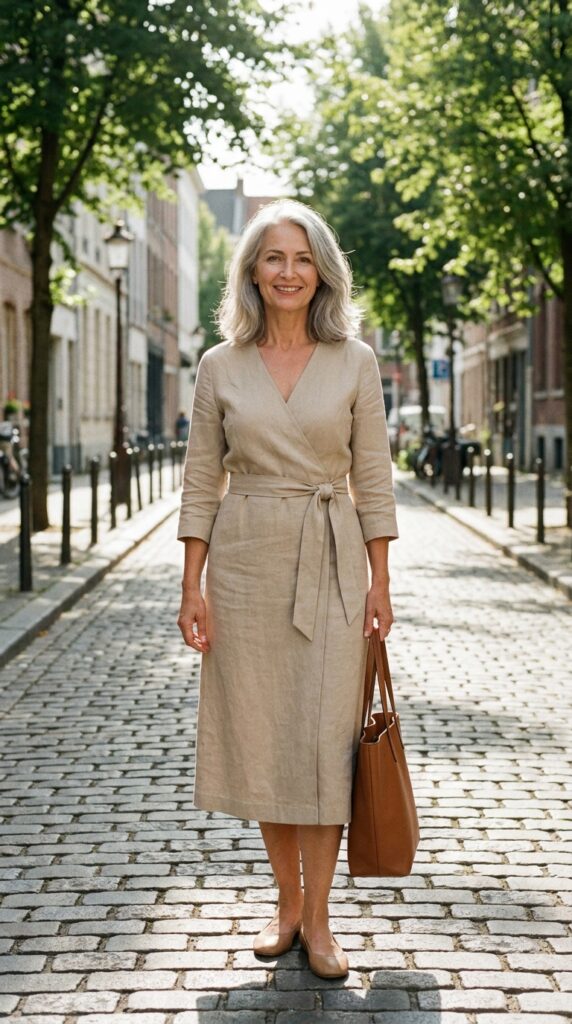
Chasing every new silhouette that comes through the stores is exhausting and rarely pays off. A far better long-term strategy is identifying one or two shapes that consistently make you feel put-together — a wrap dress, a tailored trouser, a boxy jacket — and building variations around them.
Once you know your silhouette, shopping becomes dramatically faster and your closet stops filling up with pieces that seemed good in the store and never get worn.
Pro tip: Take five minutes to look back at outfit photos from the last year and notice which shapes you reached for again and again. That pattern is your signature silhouette, whether you’ve consciously named it or not.
2. Let Your Jewelry Do Some Talking

Simple clothing needs somewhere for the eye to land, and jewelry is often the easiest way to provide it without adding another layer of fabric. A single interesting piece can carry an entire outfit that would otherwise read as plain.
This doesn’t mean piling on more — it means choosing fewer pieces with more presence, so each one actually gets noticed instead of getting lost in a cluttered stack.
Pro tip: Keep one “statement” piece — a sculptural cuff, an oversized ring, or a bold pair of earrings — in permanent rotation, and let everything else in your jewelry box stay quiet by comparison.
3. Rethink Your Relationship with Black
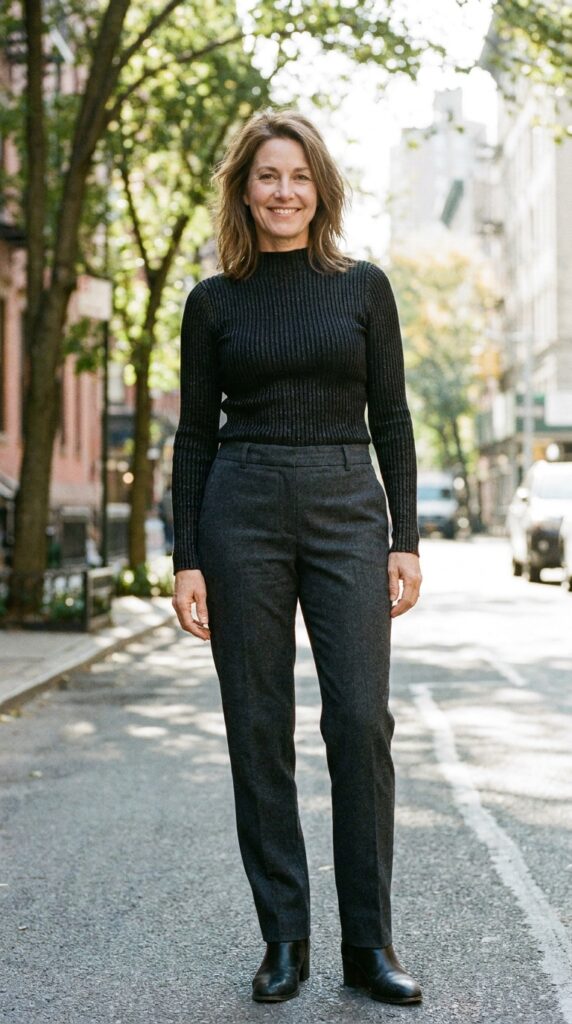
Black has a reputation as the ultimate safe choice, but it can also read as flat or heavy depending on lighting, fabric, and what’s happening near your face. That doesn’t mean giving it up — it means being more deliberate about how you wear it.
Pairing black with texture, a strong accessory, or a warmer color near the face keeps it from doing all the visual work on its own.
Pro tip: Swap a plain black top for one with texture — ribbing, a subtle sheen, or a jacquard weave — the next time you reach for it. Same color story, noticeably more interesting result.
4. Give Every Outfit One Point of Interest
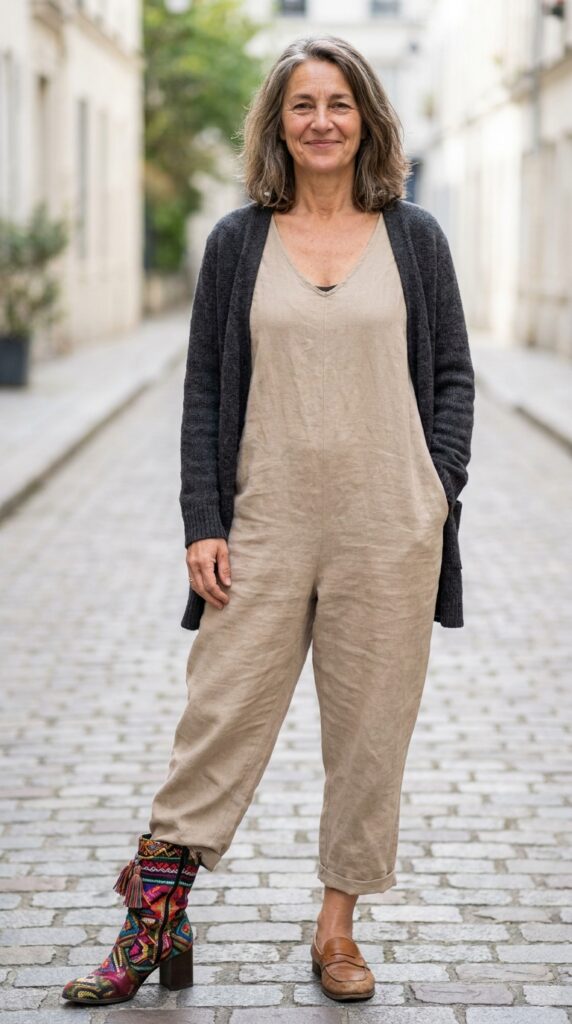
A fully coordinated, matchy outfit can look accidentally unfinished if there’s nothing for the eye to focus on. One clear point of interest gives an outfit a sense of intention.
That focal point could be a bold shoe, an unexpected color pairing, or a single statement piece. The rest of the outfit exists to support it, not compete with it.
Pro tip: Before you leave the house, do a quick scan — if nothing in the outfit feels like the obvious “star,” add one small element that gives the eye somewhere to go.
5. Choose Prints With Intention

Prints can be incredibly flattering at any age, but scale and placement matter more than the print itself. A print that’s too busy in exactly the wrong spot can visually distort proportions, while the right scale can be genuinely elegant.
Smaller, more delicate prints tend to read as refined, while a few bold, graphic prints can work beautifully as a single statement piece rather than an all-over pattern.
Pro tip: If you’re unsure about a print, try it first as a scarf, blouse, or accessory rather than a full dress — it lets you test how the pattern reads against your coloring without a major commitment.
6. Build Around a Capsule of Layers
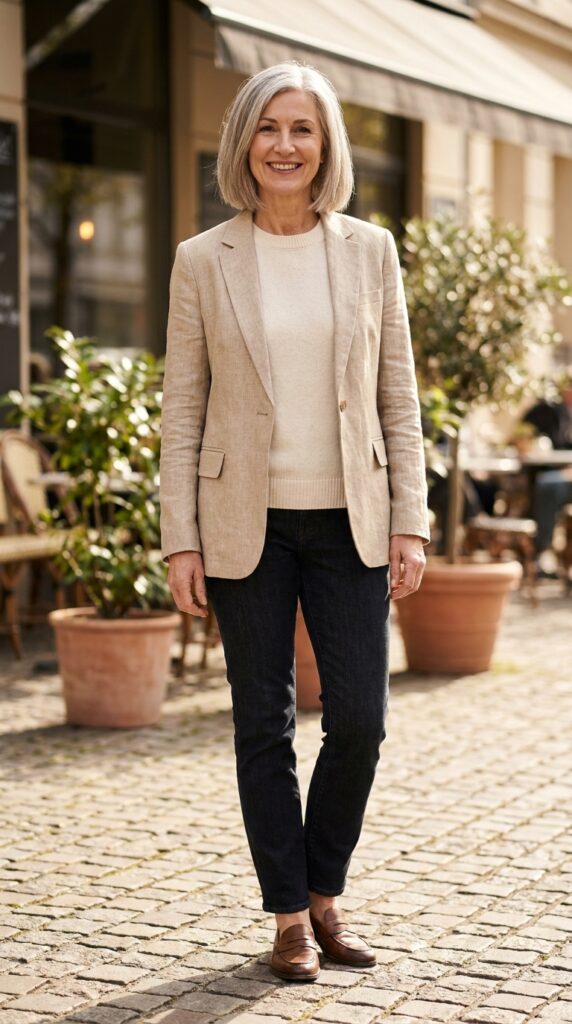
Layering is one of the most useful tools for both temperature control and visual interest, but it works best when the pieces are actually designed to go together. A cardigan that only pairs with one outfit isn’t earning its space in your closet.
Building a small capsule of layering pieces — a cropped jacket, a long cardigan, a lightweight blazer — that can move between multiple outfits makes getting dressed dramatically easier.
Pro tip: Before buying a new layering piece, mentally pair it with at least three things you already own. If you can’t get to three, it’s probably not versatile enough to be worth it.
7. Let Your Bag Work as Hard as Your Shoes
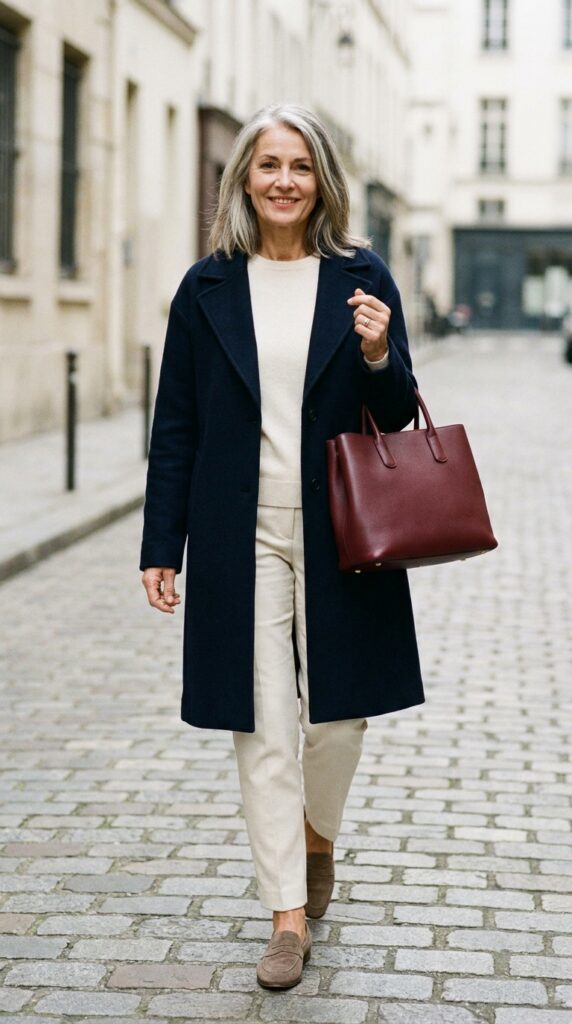
Bags get far less styling attention than shoes, but they sit at eye level in most photos and conversations, which makes them just as important. A tired, overly casual bag can undercut an otherwise polished outfit.
A structured bag in a rich color or interesting texture does more for an outfit than people expect, precisely because it’s so often overlooked.
Pro tip: If your bag rotation has gone quiet, prioritize one structured bag in a color that isn’t black or brown — it instantly refreshes even your most repeated outfits.
8. Don’t Skip the Tailor for “Just Okay” Fits

A piece that fits reasonably well is still costing you polish every time you wear it. The difference between “fine” and “exceptional” is very often just a few tailoring adjustments away, and it’s one of the most underused style tools available.
This applies just as much to affordable pieces as expensive ones — a well-tailored inexpensive blazer will consistently look better than an ill-fitting costly one.
Pro tip: Before donating or returning something that’s “almost right,” ask a tailor for a quote. Simple fixes like hemming, taking in a waist, or shortening sleeves are often far cheaper than replacing the piece entirely.
9. Mix High Shine with Soft Matte

Pairing a fabric with some sheen — satin, a soft leather, a subtle metallic — against something matte and textured creates a visual push-and-pull that reads as considered rather than accidental.
An all-matte or all-shiny outfit can feel one-note by comparison, even when every individual piece is beautiful on its own.
Pro tip: If your outfit feels flat, ask whether everything in it has the same finish. Swapping one piece — a satin cami under a wool blazer, for example — often solves it instantly.
10. Trust a Great Blazer to Do the Heavy Lifting
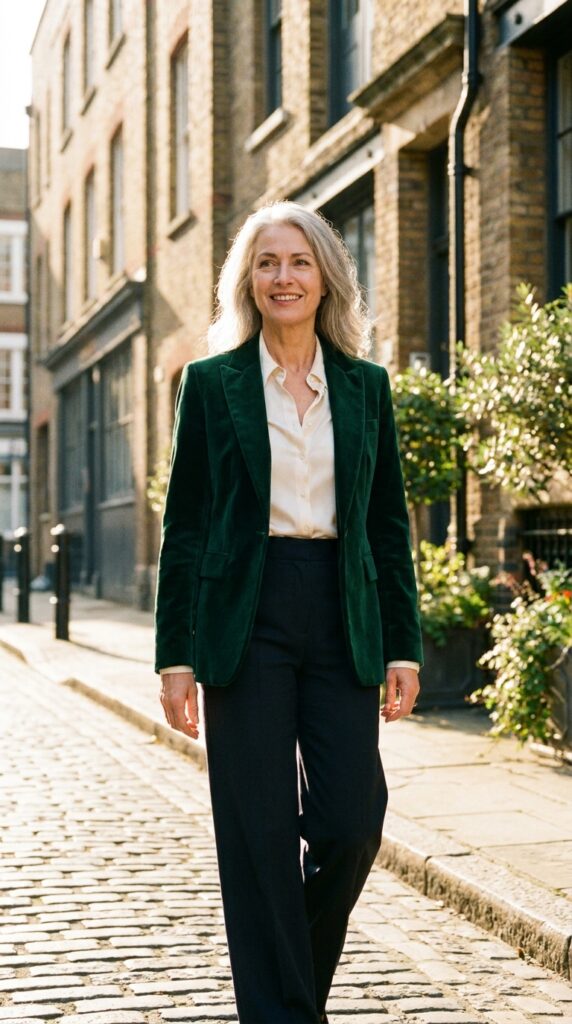
A well-cut blazer is one of the most efficient pieces in a wardrobe because it can dress up jeans, dress down a slip dress, and add structure to almost anything soft or flowy.
The key is finding one with shoulders that actually fit your frame and a length that hits somewhere flattering — usually right at or just below the hip.
Pro tip: Try a blazer in an unexpected color rather than another black or navy option. A single colored blazer becomes a surprisingly versatile centerpiece for multiple outfits.
11. Update Your Underpinnings First

Before questioning whether an outfit “isn’t working,” check what’s underneath it. Ill-fitting foundational pieces — bras, shapewear, even the wrong slip — can throw off the line of everything layered on top, no matter how well the outer garment fits.
This is one of the least glamorous style fixes, but often the one with the biggest visible payoff.
Pro tip: Get properly fitted at least once a year, since sizing shifts more than people expect. A five-minute fitting can solve problems you’d otherwise blame on the clothes themselves.
12. Dress for the Room You’re Walking Into
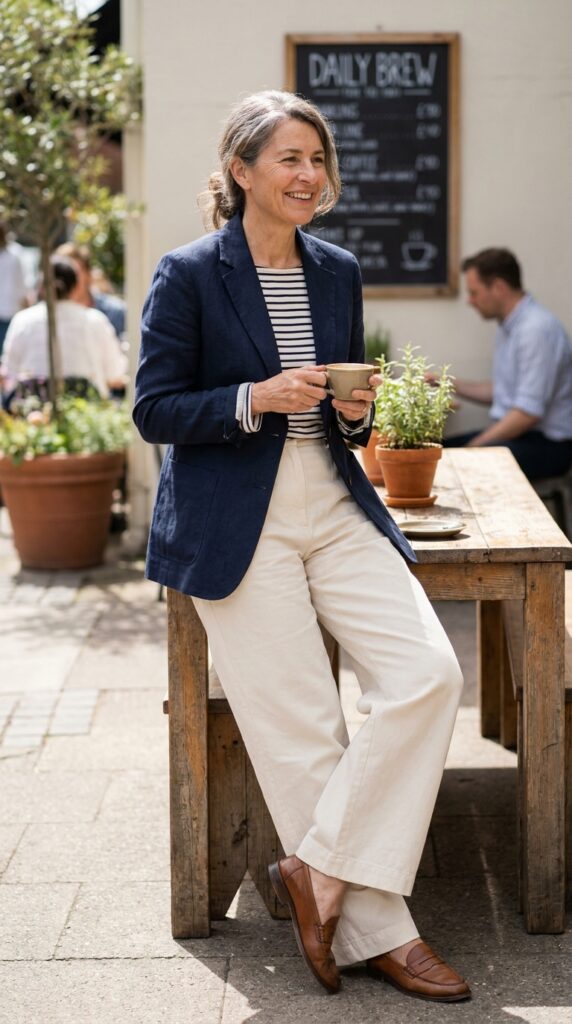
The most confident-looking outfits are usually the ones chosen with a specific place and mood in mind, rather than a generic “nice outfit” pulled together at random. Dressing with a clear destination in mind — even if it’s just a coffee run — tends to produce more intentional choices.
This doesn’t mean overdressing for everything; it means letting context guide small decisions, like whether today calls for the structured blazer or the relaxed cardigan.
Pro tip: Before getting dressed, name the room you’re walking into in one sentence — “casual lunch with my sister,” “important meeting,” “just errands” — and let that sentence guide your choices instead of defaulting to the same outfit regardless of the day.
None of these are rules, exactly — they’re just patterns worth testing until you find the combination that feels the most like you. Style after 50 isn’t about following a formula; it’s about finally having the confidence to skip the ones that never fit in the first place.