I didn’t expect to fall down this deep of a rabbit hole, but here we are.
Summer 2026 isn’t about one single “it” color — it’s more of a whole mood shift. Warmer, softer, and noticeably less high-maintenance than what we’ve been seeing the last few summers. Hair that looks expensive without demanding a monthly touch-up.
I went through salon feeds, colorist Q&As, and a stack of client photos to put together a list of shades you can actually walk into a salon and ask for — not just runway looks that only work under studio lighting.
Here are the 12 shades, the finish that ties them together, and the techniques colorists are actually using to get there.
The 12 Shades Everyone’s Asking For
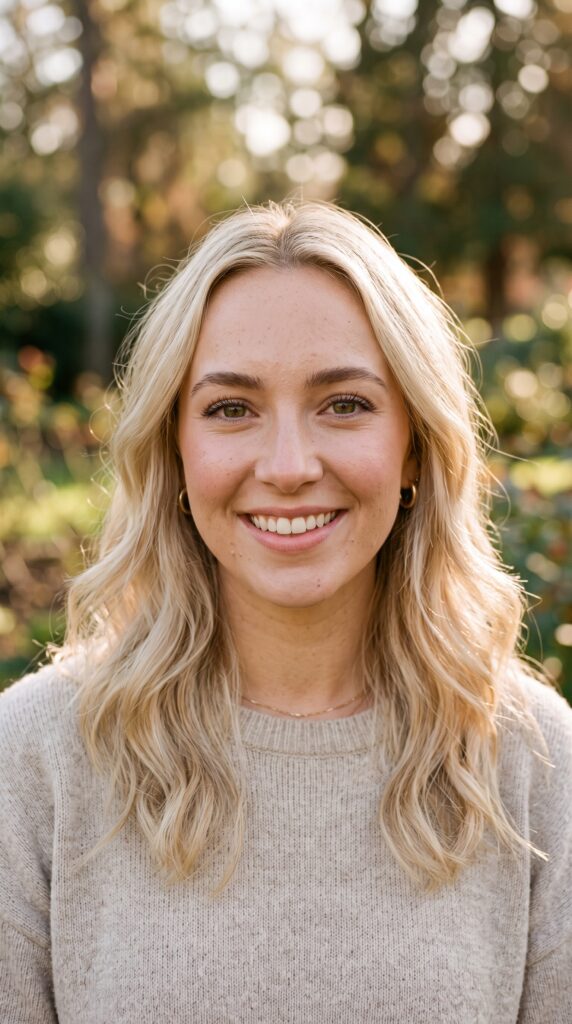
1. Vanilla Cream Blonde
Soft, pale golden blonde — not stark platinum, not yellow, just a warm in-between. It flatters fair to medium skin tones and grows out gently, which makes it one of the easiest ways to test the blonde waters without a huge commitment.
2. Toasted Marshmallow Blonde
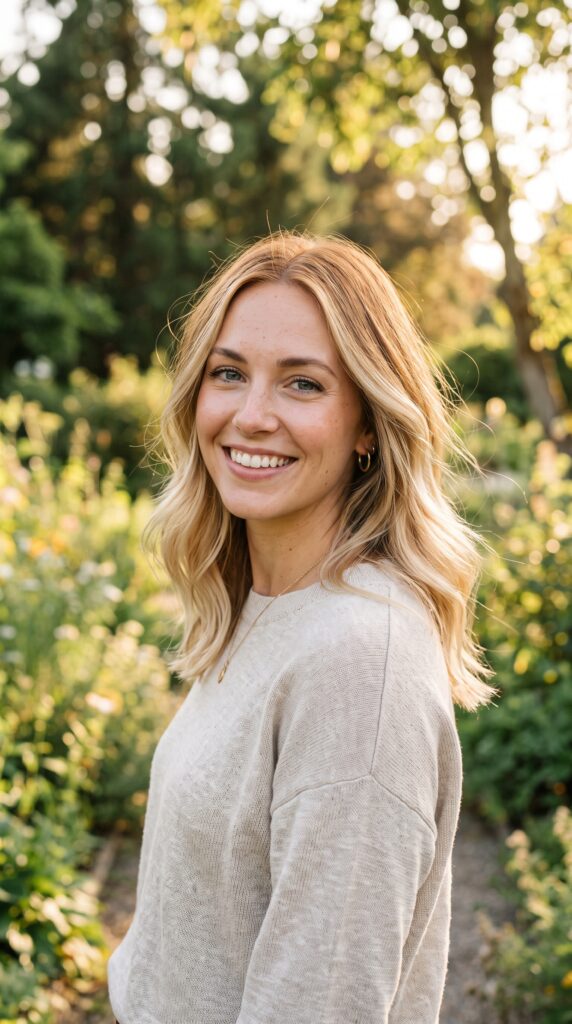
Deeper golden roots that melt into lighter, shimmery ends. It reads like hair that got lighter over a really good vacation rather than a fresh salon appointment, and it photographs beautifully in natural light.
3. Honey Wheat Blonde

Butterscotch and wheat tones blended with no hard line between root and ends. Of everything on this list, it’s the lowest maintenance — built to be left alone for months without looking like it’s grown out.
4. Champagne Ash Blonde
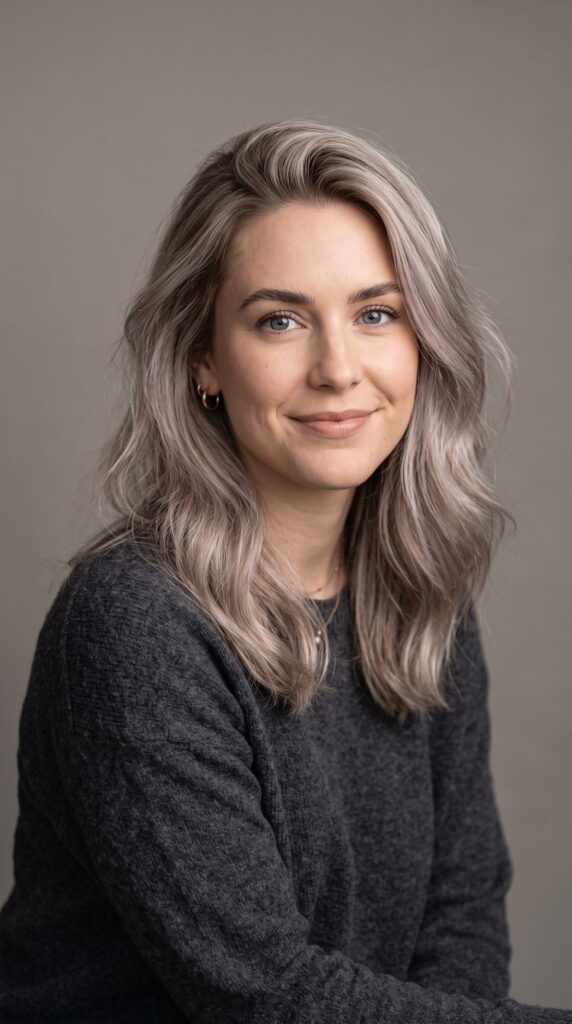
Cool-toned without going icy or gray — think ecru and soft taupe. It’s the blonde that gets overlooked while warm tones dominate the conversation, but it’s the most flattering option for cooler skin tones.
5. Strawberry Blonde Glow
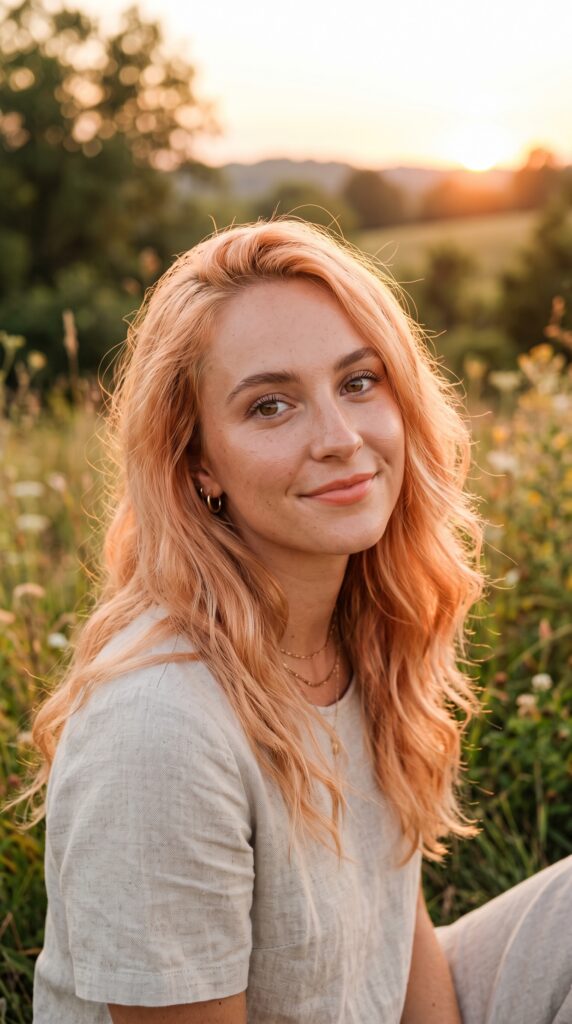
A soft, peachy red-blonde that feels warm and a little playful without committing to full red. It sits beautifully on golden or warm undertones.
6. Warm Cinnamon Brunette
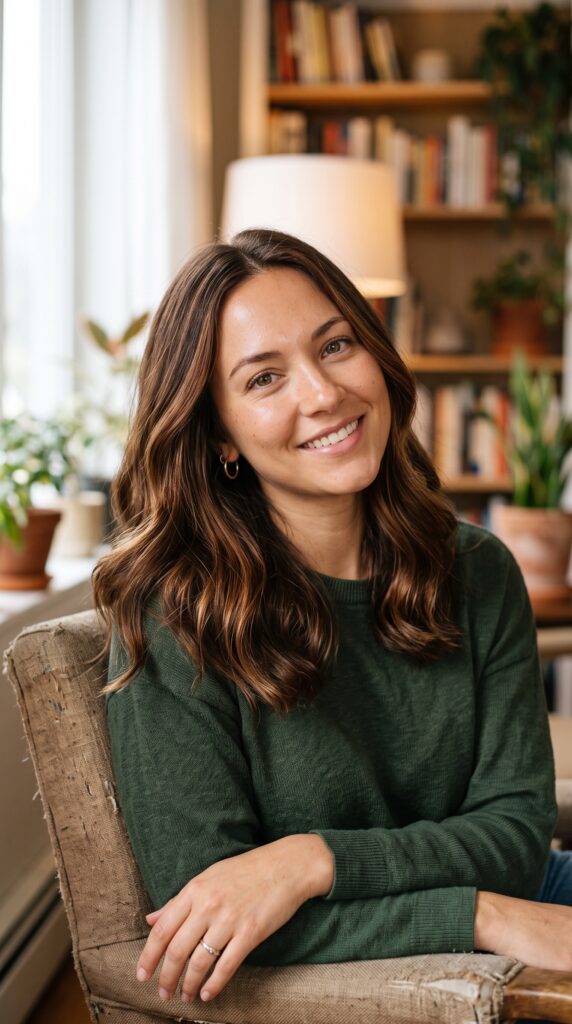
Brown with just enough caramel and cinnamon woven through to catch the light differently as you move, without reading as obviously highlighted. It’s the easiest upgrade for anyone tired of flat, one-note brown.
7. Deep Espresso Truffle
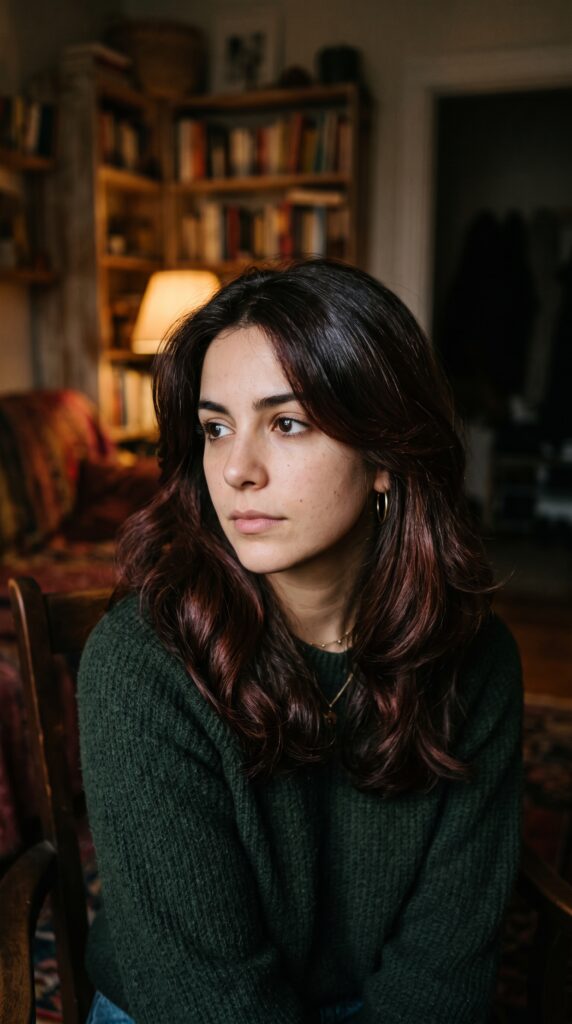
Darker and moodier than a standard brunette, with a warm reddish undertone hiding beneath the espresso base. It looks like a different color depending on the light in the room, which is exactly what makes it feel expensive.
8. Rosewood Brunette
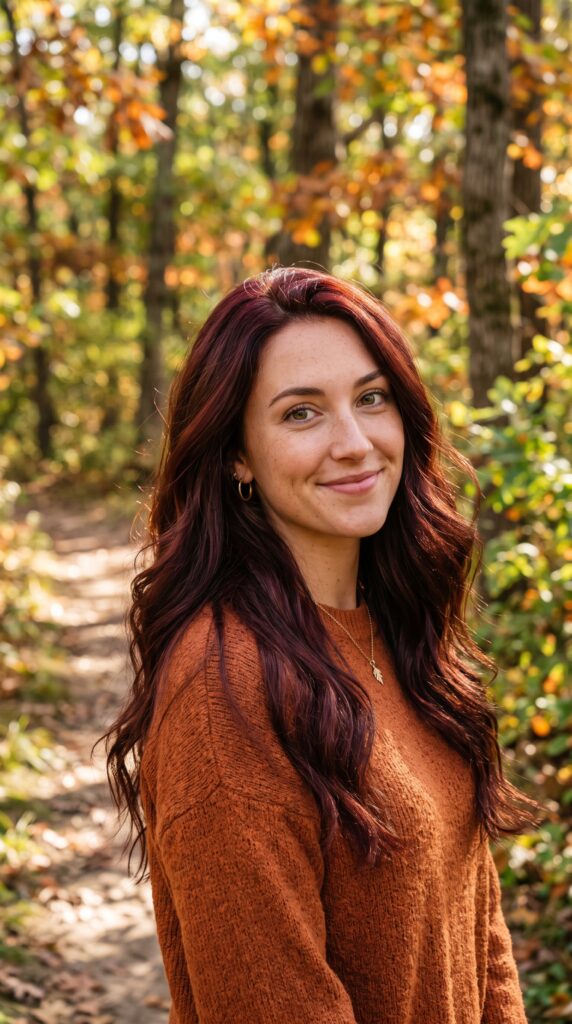
Brown with the faintest hint of rose and mauve running through it. It reads as classic brunette indoors, then picks up a soft rosy glow the moment it hits the sun.
9. Mahogany Brunette
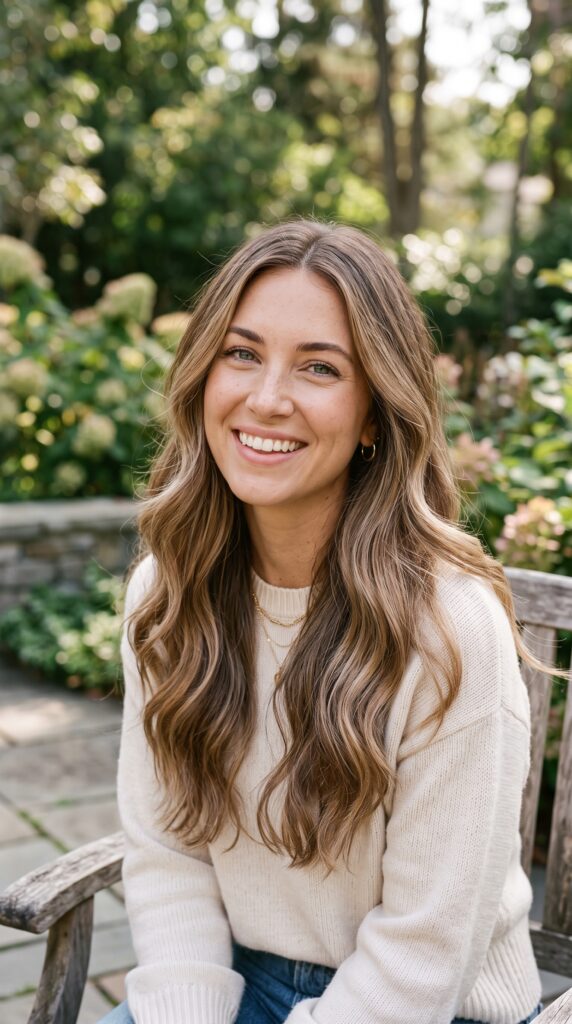
A deeper, richer red-brown with real jewel-tone depth — more noticeable than cinnamon brunette, but still easy to wear day to day.
10. Caramel Bronde Melt
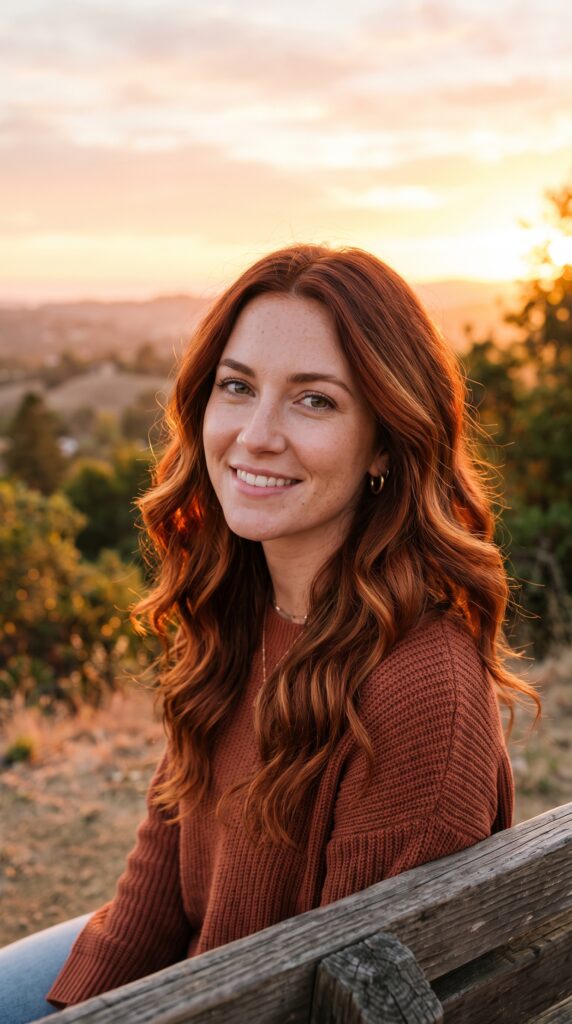
Right in the middle of blonde and brunette, blending caramel with soft mushroom tones so there’s no obvious “which category is this” moment. Ideal if you’ve never been able to commit to one lane.
11. Sunset Copper
A deep, warm copper with rust and bronze running through it. Bold without tipping into costume territory, especially when it’s placed as a balayage rather than an all-over color.
12. Bronzed Balayage
Warm, bronze-toned highlights painted onto a brunette base. Less upkeep than going fully blonde, with just enough brightness to feel like a real change.
The Finish That Makes It Look Expensive
Glass-Gloss Finish
Even the right shade can fall flat without the right finish. The glass-gloss look — a high-shine, almost mirror-like effect — is what separates “nice color” from “expensive color.” An in-salon gloss treatment gets you there fastest, but a good shine serum and finishing your shower with a cold rinse make a bigger difference than most people expect. It’s the step that’s easiest to skip, and the first thing people notice when it’s missing.
The Techniques Colorists Are Using in 2026
Seamless Color Melt
A more refined take on balayage, where two or three shades are blended so gradually there’s no visible line between them. It’s the biggest technique trend of the year, and it stretches out the time between appointments since the grow-out looks intentional. Just ask your colorist for a “seamless color melt” — they’ll know exactly what you mean.
Whisper Root Smudge
Small, soft highlights placed with a lighter hand than traditional balayage, paired with a gentle darkening at the root so even the regrowth looks planned. This combination is what creates that effortless “my hair just does this” look.
Face-Framing Ribbons
Just a few lighter pieces placed around the hairline and temples — subtle enough that it doesn’t read as highlights, more like your face is naturally catching the light. It’s the smallest possible change with a genuinely visible payoff.
Which Shade Is Actually Right for You
- Warm skin tones — vanilla cream blonde, strawberry blonde glow, mahogany brunette, or sunset copper. Gold and red-based shades work with your undertone instead of against it.
- Cool skin tones — champagne ash blonde or rosewood brunette. Warmer blondes can pull yellow on cooler complexions, so be specific with your colorist.
- Neutral skin tones — honey wheat blonde and warm cinnamon brunette both work well across the board.
- Low maintenance is the priority — honey wheat blonde, caramel bronde melt, or warm cinnamon brunette. All three are designed to grow out gracefully.
- Working with a smaller budget — a root smudge and a gloss treatment over your current color goes a long way before a full re-color is necessary.
Warmer, softer, and easier to live with than last year — that’s summer 2026 hair color, and I’m fully on board. Which shade are you bringing to your colorist?