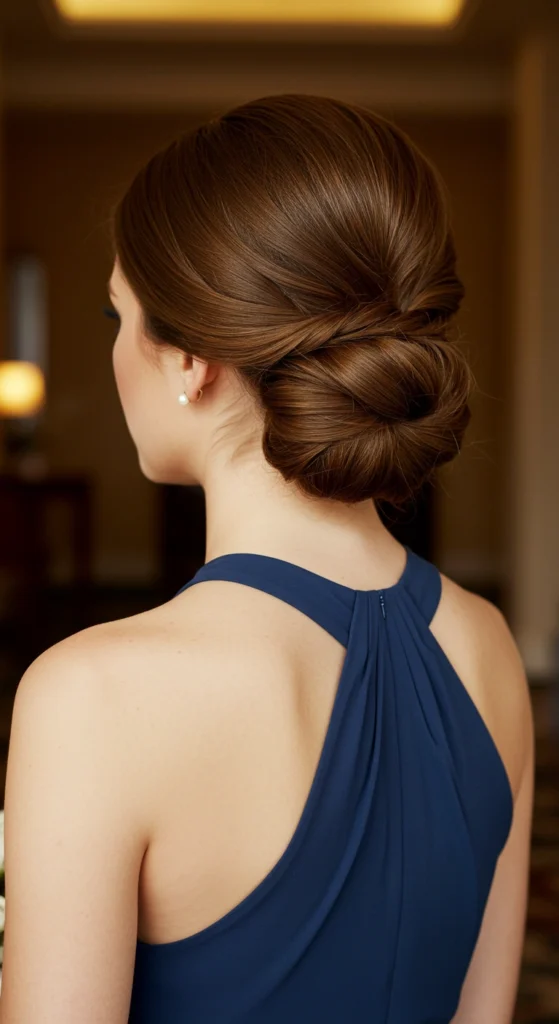

Fine hair can make short cuts tricky — too little shape and it falls flat, too much thinning and it looks sparse. The pixie, though, is one of the best short styles for fine hair when it’s cut the right way. With the right layering, texture, and a skilled hand with the scissors, a pixie can make fine hair look fuller, denser, and more voluminous than it actually is. Below are the best pixie haircuts for fine hair right now, plus tips for keeping the volume looking natural rather than overworked.
1. Classic Layered Pixie

This is the foundation pixie for fine hair: short layers cut through the crown and sides to build body without adding heavy, weighed-down ends. Because each layer contributes its own lift, the overall effect reads as fuller and thicker than the hair actually is.
Best for: Anyone with fine, straight hair who wants a low-maintenance, everyday pixie. Styling tip: Blow-dry with a round brush, lifting at the roots, then finish with a light mousse rather than a heavy cream to avoid weighing hair back down.
2. Textured Pixie with Piecey Ends
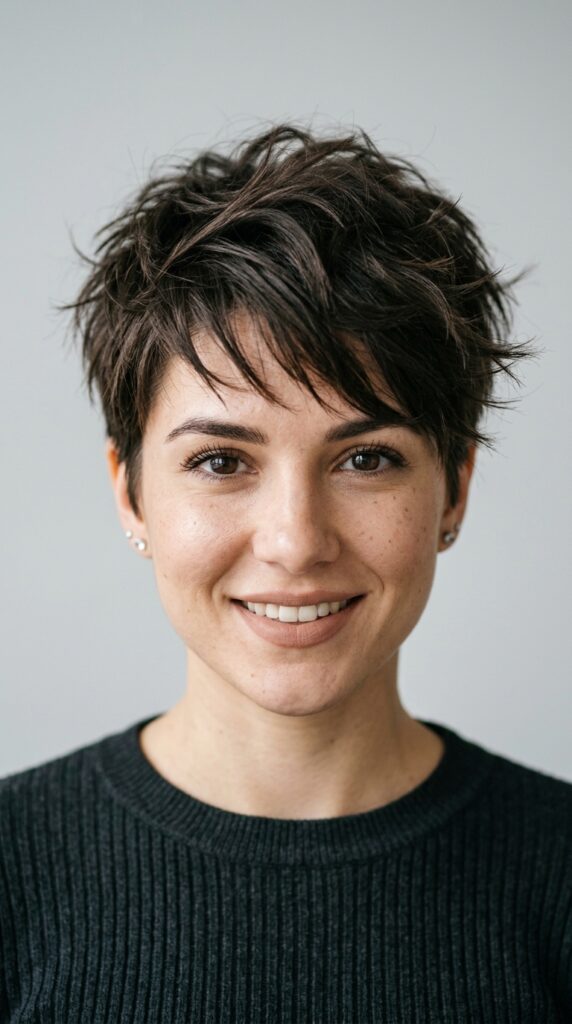
A textured pixie takes the classic shape and adds point-cut, piecey ends throughout. The separation between pieces creates the illusion of extra density, which is especially flattering for fine hair that tends to look thin when cut too smooth.
Best for: Fine hair that needs extra texture to avoid looking flat. Styling tip: Work a small amount of texturizing paste between your fingertips before scrunching it through dry hair to define individual pieces.
3. Pixie with Long, Side-Swept Bangs
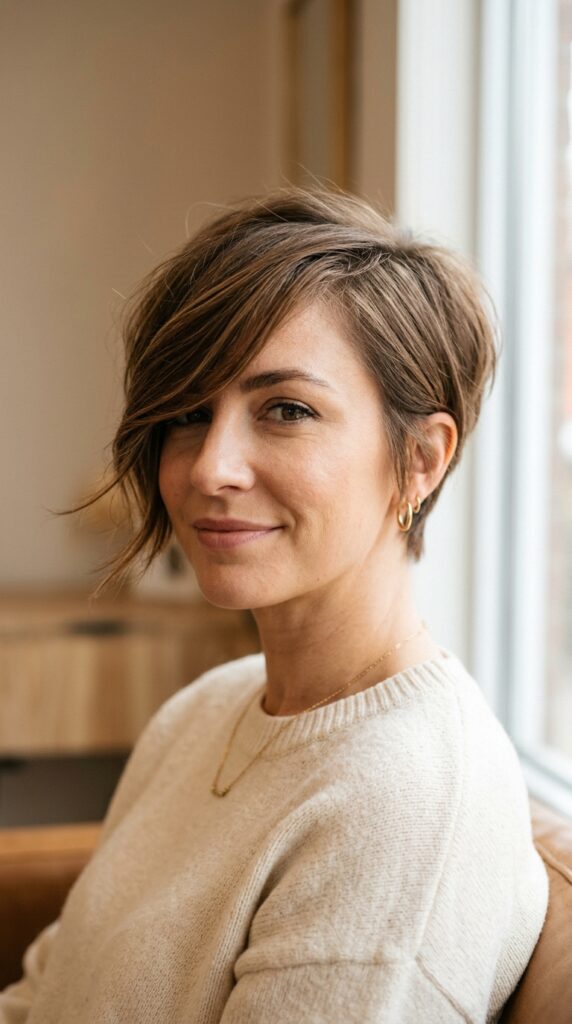
Keeping the bangs longer and sweeping them to one side is a smart move for fine hair, since it avoids the thin, wispy look that very short, blunt bangs can create. The longer fringe also softens the face and can be tucked behind the ear for a different look day to day.
Best for: Round or fuller face shapes that want length and softness up top. Styling tip: Use a small round brush while blow-drying the fringe to encourage a soft sweep rather than a flat, straight-down fall.
4. Undercut Pixie
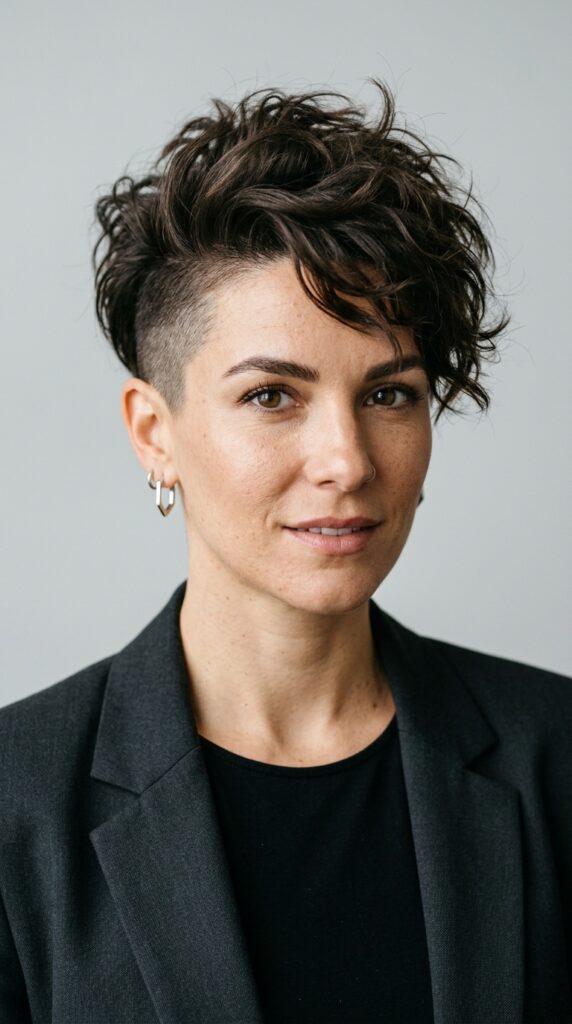
An undercut pixie shaves or closely clips the hair underneath while leaving length and texture on top. Removing bulk from the nape and sides means all the visual volume is concentrated where it’s most flattering, which can make fine hair on top look noticeably thicker by comparison.
Best for: Fine hair paired with a bold, low-maintenance styling routine. Styling tip: Keep the top section slightly longer so you have enough length to create texture and movement, rather than cutting it too short to style.
5. Graduated Pixie with Crown Lift
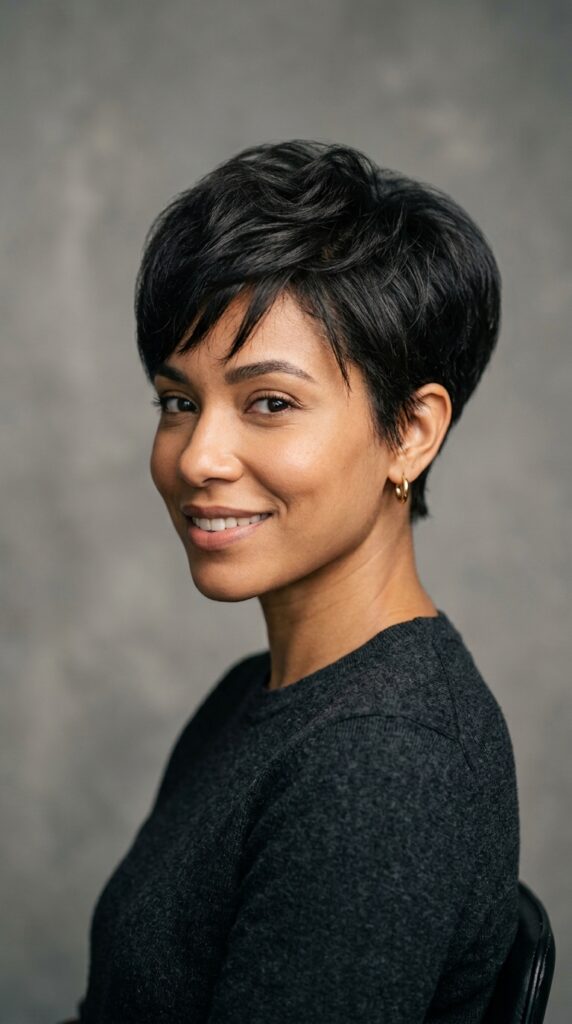
This version is cut short and close at the nape, gradually lengthening toward the crown, where extra layering creates lift right at the root. It’s one of the most effective pixie shapes for adding the appearance of volume to fine hair, since the fullness is built directly into the cut rather than relying entirely on styling.
Best for: Fine hair that goes flat by midday. Styling tip: Apply a volumizing spray to damp roots before blow-drying upside down for extra lift that lasts.
6. Soft Curly or Wavy Pixie

Fine hair with natural wave or curl doesn’t need to be straightened to work in a pixie. A soft curly pixie is cut to follow the hair’s natural pattern, with layering that supports curl formation instead of cutting it away, giving fine curly hair more visible bounce and shape.
Best for: Fine hair with natural texture or wave. Styling tip: Use a lightweight curl cream and let hair air-dry or diffuse on low heat to avoid disrupting the curl pattern.
How to Make a Pixie Work for Fine Hair
A few things matter more than the exact style you choose:
- Ask for layers, not thinning shears. Thinning shears can remove density fine hair can’t spare — layering for lift is a better approach.
- Get regular trims. Because there’s less hair to work with, pixies for fine hair typically need a trim every 4–6 weeks to keep their shape.
- Choose lightweight products. Heavy creams and oils weigh fine hair down fast; look for mousses, volumizing sprays, and light texture pastes instead.
- Consider color. Subtle highlights or balayage can add the illusion of extra dimension and thickness to a fine-hair pixie.
Final Thoughts
A well-cut pixie is one of the most flattering, low-maintenance options for fine hair — it just needs the right layering strategy to look full rather than sparse. Whether you go for a soft, wavy version or a bold undercut, working with your hair’s natural texture (rather than against it) is the key to making a pixie look effortlessly voluminous.